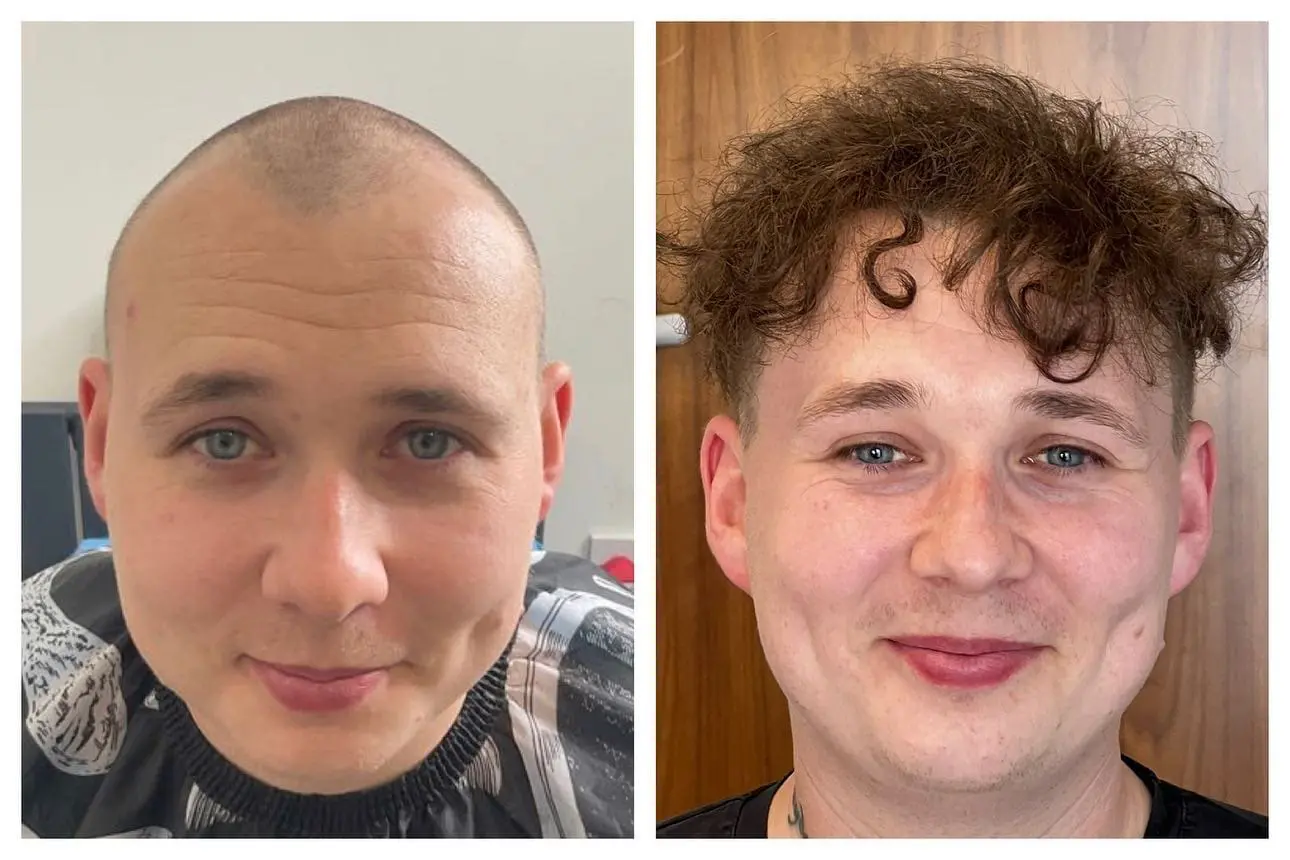
Non-Surgical

What are Non-Surgical Treatments?
Frequently Asked Questions About Non-Surgical Treatments
What types of non-surgical hair treatments are available?
Non-surgical hair treatments include options such as laser therapy, PRP (Platelet-Rich Plasma) therapy, topical medications like minoxidil, scalp micropigmentation, and hair loss shampoos and supplements.
Who is a suitable candidate for a beard transplant?
Suitable candidates for a beard transplant include individuals with patchy or thin beard growth, beard scarring, or those looking to enhance their beard density. It’s essential to have a stable donor area with sufficient hair follicles for transplantation.
How does laser therapy help with hair loss?
Laser therapy stimulates hair follicles, promoting hair growth and increasing hair density. It’s a non-invasive treatment that can be performed in-office or with at-home devices.
What is PRP therapy for hair loss?
PRP therapy involves extracting platelet-rich plasma from the patient’s blood and injecting it into the scalp. This stimulates hair follicles, promotes hair growth, and improves hair thickness and texture.
How effective is minoxidil for hair loss treatment?
Minoxidil is a topical medication applied directly to the scalp, known to increase blood flow to hair follicles, prolonging the growth phase of the hair cycle and promoting hair regrowth in some individuals.
What is scalp micropigmentation (SMP)?
Scalp micropigmentation is a non-surgical procedure that involves tattooing tiny pigment deposits onto the scalp to mimic the appearance of hair follicles, creating the illusion of fuller hair density.
Are non-surgical hair treatments suitable for everyone?
Non-surgical hair treatments can be suitable for individuals experiencing various types of hair loss, but effectiveness may vary depending on the underlying cause and individual factors. Consultation with a hair restoration specialist is recommended to determine suitability.
How long does it take to see results from non-surgical hair treatments?
Results from non-surgical hair treatments vary depending on the treatment method, individual response, and severity of hair loss. Some treatments may require multiple sessions before noticeable improvement occurs.
Are non-surgical hair treatments permanent solutions for hair loss?
Non-surgical hair treatments can effectively manage hair loss and promote hair growth, but they may require ongoing maintenance to sustain results. Consultation with a specialist can provide personalized recommendations for long-term management.
What is the cost of non-surgical hair treatments?
The cost of non-surgical hair treatments varies depending on the type of treatment, the number of sessions required, and the provider’s expertise. It’s best to consult with a hair restoration specialist to discuss treatment options and associated costs.
Are non-surgical hair treatments safe?
Non-surgical hair treatments are generally safe when performed by qualified professionals. However, as with any medical procedure, there may be potential risks and side effects. It’s essential to discuss potential concerns with your provider before undergoing treatment.
Can non-surgical hair treatments be combined for better results?
Yes, non-surgical hair treatments can often be combined to enhance effectiveness and achieve optimal results. A comprehensive treatment plan tailored to individual needs may include a combination of therapies for maximum benefit.
How do I choose the right non-surgical hair treatment for me?
Choosing the right non-surgical hair treatment depends on factors such as the cause and severity of hair loss, personal preferences, budget, and lifestyle. Consulting with a hair restoration specialist can help determine the most suitable treatment plan for your specific needs.
Are non-surgical hair treatments suitable for both men and women?
Yes, non-surgical hair treatments can be beneficial for both men and women experiencing hair loss or thinning. Treatment plans can be customized based on individual factors and goals.
Is there any downtime associated with non-surgical hair treatments?
In general, non-surgical hair treatments have minimal to no downtime, allowing individuals to resume their normal activities immediately after treatment. However, some treatments may cause mild redness or irritation temporarily.